
How Summer Heat Affects Your Nissan Battery: Warning Signs You Shouldn't Ignore
When most drivers think about battery problems, they picture a freezing winter morning when their vehicle won't start. While cold weather certainly puts extra strain on a battery, the damage often begins much earlier. Summer heat can be even more harmful, gradually weakening your Nissan's battery long before cooler temperatures arrive.
Hot, humid summers in southern Indiana can accelerate battery wear,
reducing its ability to hold a charge and increasing the risk of unexpected
breakdowns. Whether you're commuting through Bloomington, heading to Bedford,
or taking a weekend road trip, a healthy battery is essential for reliable
starts and dependable performance.
Understanding how heat affects your battery and recognizing the warning
signs of a failing battery, can help you stay ahead
of costly repairs and inconvenient no-start situations.
Why Summer Heat Is Hard on Your Nissan's Battery
Unlike cold weather, which temporarily reduces battery performance, high
temperatures can cause permanent damage to your battery's internal components.
Summer heat speeds up the chemical reactions inside the battery while
causing battery fluid to evaporate more quickly. Over time, this leads to
increased internal wear and reduces the battery's ability to store and deliver
power efficiently.
Because this process happens gradually, many drivers don't notice a
problem until months later when cooler weather arrives. A battery weakened
during the summer may struggle to start your vehicle during the first cold
mornings of fall or winter.
Scheduling a battery inspection during the warmer months can help
identify declining performance before it leads to a breakdown.
Common Warning Signs Your Nissan Battery Needs
Attention
A battery rarely fails without giving some indication that something
isn't right. Paying attention to these early warning signs can help you address
the issue before you're left stranded.
One of the most common symptoms is a slow engine crank. If your Nissan
takes longer than usual to start or the engine turns over sluggishly, your
battery may no longer have the power it once did.
Electrical issues can also point to a weakening battery. Since modern
Nissan vehicles rely on advanced electronics, reduced battery performance may
affect several systems.
Other warning signs include:
-
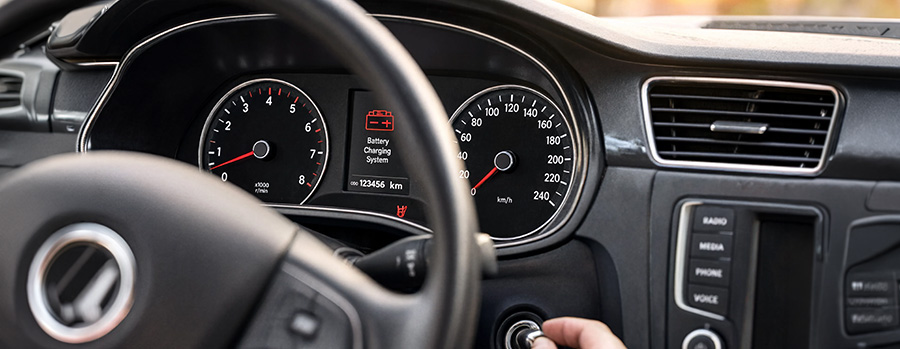
The battery warning light illuminates on the dashboard.
-
Headlights or interior lights appear dimmer than normal.
-
Battery terminals show white or bluish corrosion.
-
The battery case appears swollen, cracked, or damaged.
-
Your battery is more than three to five years old.
- Your vehicle has needed multiple jump-starts.
If you notice any of these symptoms, it's a good idea to schedule a
professional battery inspection before the problem gets worse.
How Long Does a Nissan Battery Last?
Most Nissan batteries last between three and five years, although actual
lifespan depends on several factors.
Driving habits, weather conditions, and maintenance all play a role.
Frequent short trips, extended periods without driving, and prolonged exposure
to high temperatures can shorten battery life.
Indiana's hot summers can accelerate the aging process, even if your
vehicle seems to be operating normally. If your battery is approaching the end
of its expected lifespan, having it tested can provide valuable insight into
its condition and help you avoid unexpected failures.
Why Professional Battery Testing Matters
A visual inspection alone can't always reveal the condition of a
battery.
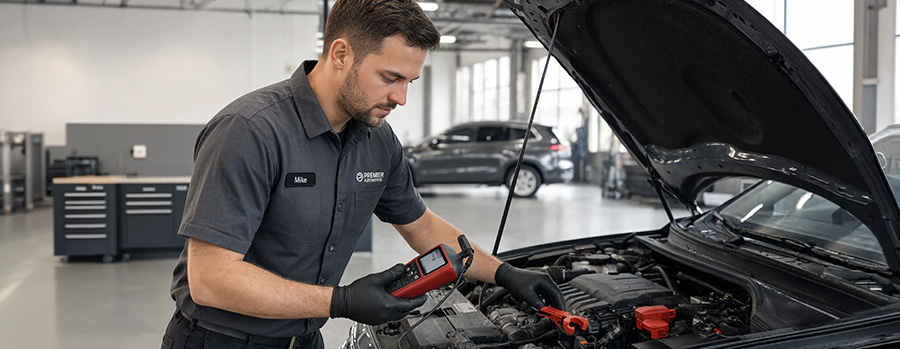
Professional battery testing uses specialized diagnostic equipment to
measure battery voltage, reserve capacity, and overall performance. Technicians
also inspect the charging system, alternator, battery cables, and electrical
connections to ensure everything is functioning properly.
This comprehensive evaluation helps determine whether the battery itself
is the issue or if another component is affecting your vehicle's electrical
system.
Routine battery testing is one of the easiest ways to catch small
problems before they become major inconveniences.
Don't Ignore Battery Corrosion
Corrosion around the battery terminals may seem minor, but it can
interfere with your Nissan's electrical system.
The white or bluish buildup that forms on battery terminals increases
electrical resistance, making it more difficult for your battery to deliver
power. Over time, corrosion can contribute to slow starts, poor charging
performance, and premature battery failure.
During a professional battery inspection, technicians can safely clean
the terminals, inspect battery cables, and verify that all connections are
secure.
Addressing corrosion early can help improve battery performance and
extend battery life.
Should You Replace Your Battery Before It Fails?
In many situations, replacing an aging battery before it fails
completely is the smarter option.
Waiting until your battery dies often means dealing with an unexpected
breakdown, missed appointments, or the inconvenience of roadside assistance. A
proactive replacement can provide greater reliability and help ensure your
Nissan is ready for daily commutes and longer road trips alike.
If testing shows your battery is nearing the end of its service life,
replacing it before it fails can give you added confidence behind the wheel.
Simple Ways to Help Extend Battery Life
While every battery eventually wears out, a few simple maintenance habits can help maximize its lifespan.
-
Turn off headlights and interior lights before leaving your vehicle.
-
Drive your Nissan regularly to help keep the battery fully charged.
-
Keep battery terminals clean and free of corrosion.
-
Schedule battery inspections during routine maintenance visits.
-
Have slow starts, warning lights, or electrical issues inspected
promptly.
These small steps can go a long way toward improving battery performance and reducing the risk of unexpected battery failure.
Keep Your Nissan Ready for Every Journey
Summer heat can quietly shorten the life of your battery long before
obvious problems appear. A simple battery inspection can help identify early
signs of wear, giving you the opportunity to address potential issues before
they leave you stranded.
If your Nissan has been slow to start, your battery is several years
old, or you've noticed dashboard warning lights or electrical issues, now is a
great time to have it inspected.
At Community Nissan of Bloomington, our factory-trained technicians can test your battery, inspect your charging system, and recommend the right solution for your vehicle. Whether you need a routine battery inspection or a replacement with a Genuine Nissan battery, we're here to help keep your Nissan performing at its best throughout every season.