
Is Your Nissan’s Suspension Wearing Out? 5 Signs to Watch Out
Most drivers don't think about their Nissan's suspension until something starts to feel different.
Maybe
the steering doesn't feel as tight as it used to. Your vehicle might bounce
more than normal after hitting a bump. Or perhaps you're hearing an unfamiliar
clunk from underneath the vehicle when turning into a parking space.
These
changes can be easy to dismiss, especially when your Nissan is still getting
you where you need to go. But your suspension plays an important role in how
your vehicle handles, steers, and maintains contact with the road.
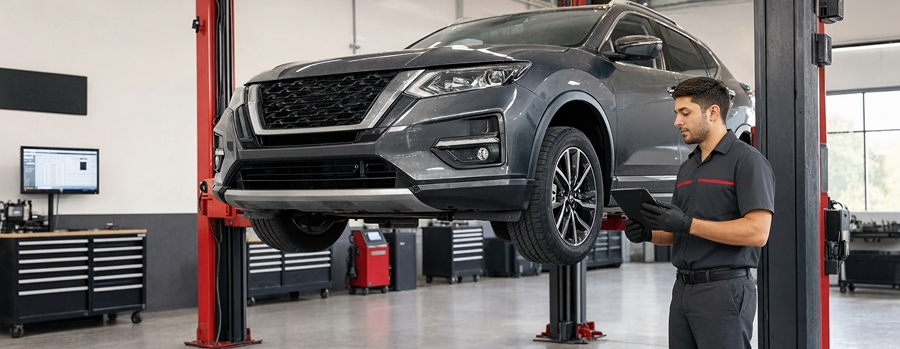
For
drivers in Bloomington and the surrounding area, everyday commuting, uneven
pavement, potholes, and changing road conditions can gradually put wear on
suspension components. Parts such as shocks, struts, tie-rod ends, ball joints,
control arms, and bushings can all eventually require inspection or
replacement.
The
challenge is recognizing when normal wear has become a service issue.
At Community
Nissan of Bloomington, we can inspect your Nissan's steering and suspension
system and help identify the source of unusual handling, tire wear, or noises.
Here are five signs that your Nissan's suspension may need attention.
1. Your Steering Feels Loose or Unusually
Sensitive
When you
turn the steering wheel, your Nissan should respond smoothly and predictably.
If you
notice excessive play in the steering wheel, delayed response, or a feeling
that the vehicle isn't tracking as precisely as it once did, it's worth having
the steering and suspension inspected.
What's
causing it?
One
possible source is a worn tie-rod end. Tie-rod ends connect the steering
system to the wheel assembly and help transfer steering input to the wheels.
As the
joint wears, it can develop excessive movement. That may contribute to loose
steering, vibration, or an unstable feeling behind the wheel.
However,
these symptoms can also come from other components, including tires, wheel
bearings, alignment issues, or other steering and suspension parts.
What
should you do?
A
technician can inspect the steering system and check for excessive movement at
the relevant joints.
If a
worn tie-rod end or another steering component is identified, replacement may
be necessary. Because steering repairs can affect wheel geometry, an alignment
may also be recommended after the repair.
2. Your Tires Are Wearing Unevenly
Sometimes
your tires reveal a suspension problem before you feel anything from the
driver's seat.
Check
your tire tread periodically. If one side of a tire is wearing faster than the
other, or you notice feathering, scalloping, or cupping across the tread, there
may be an issue affecting the way the wheel meets the road.
What's
causing it?
Your
suspension helps keep the wheels positioned correctly while you're driving.
Worn control-arm bushings, ball joints, or other components can allow unwanted
movement and change the wheel's position.
That can
alter the tire's contact with the road and contribute to irregular tread wear.
A wheel
alignment problem can produce similar symptoms, which is why replacing the tire
alone may not solve the underlying issue.
What
should you do?
A
professional suspension and alignment inspection can help determine
what's causing the unusual wear.
If a
damaged suspension component is found, it may need to be repaired or replaced
before an alignment is performed. Correcting the underlying problem can help
protect your tires and restore proper wheel geometry.
3. Your Nissan Bounces or Dips Excessively
Your
Nissan's suspension is designed to absorb bumps while controlling the movement
of the vehicle.
If the
vehicle continues bouncing after going over a bump, feels unusually soft, or
the front end dips noticeably when you brake, the shocks or struts may be
losing their effectiveness.
What's
causing it?
Shocks
and struts help control the movement of your vehicle's springs and suspension.
As these
components wear, they may become less effective at controlling body movement. A
leaking shock or strut can also be a visible indication that it needs
attention.
You may
notice excessive bouncing, increased body movement through corners, or more
pronounced nose-diving during braking.
What
should you do?
A
technician can inspect the shocks or struts for leaks, damage, and signs of
wear.
If
replacement is necessary, shocks and struts are commonly replaced in pairs on
the same axle to help maintain balanced handling.
It's
also important to remember that excessive nose-diving can have more than one
possible cause. If you're experiencing changes in braking performance, the
braking and suspension systems should both be evaluated.
4. You Notice Cracked Bushings or Torn Boots
Some
suspension problems can be spotted before they become obvious while driving.
Many
steering and suspension components rely on rubber boots and bushings to protect
joints and control movement. These parts can deteriorate with age, mileage,
road conditions, and exposure to the elements.
What's
causing it?
A torn
protective boot on a tie-rod end or ball joint can allow dirt and
moisture into the joint while grease escapes.
Once
contaminants enter the joint, internal components can wear more quickly.
Suspension
bushings can also become cracked, hardened, or deteriorated. When that happens,
the affected suspension component may move more than it should.
What
should you do?
During avisual suspension inspection, a technician can check for torn boots,
cracked bushings, leaking shocks or struts, damaged mounting points, and other
visible problems.
If
damage is caught early, the appropriate repair can be determined before
additional components are affected. If the joint itself has already developed
excessive play or internal damage, replacing the affected component may be
necessary.
5. You Hear Clunking or Popping From the
Suspension
A new
noise from your Nissan's front end shouldn't automatically be ignored.
You
might hear a clunk when turning into a driveway, a knock when going over a
pothole, or a popping sound when maneuvering at low speeds.
Different
suspension problems can produce similar noises, so identifying the sound alone
isn't enough to determine which part has failed.
What's
causing it?
Potential
sources of suspension noise include:
·
Ball joints
·
Control-arm bushings
·
Stabilizer-bar links
·
Strut mounts
·
Tie-rod ends
·
Other steering and suspension components
If a
component develops excessive movement or its mounting hardware becomes loose or
worn, it may produce a noticeable sound as the suspension moves.
What
should you do?
A
technician can inspect the steering and suspension system for excessive play,
loose hardware, worn joints, damaged bushings, and other possible causes.
Getting
the source identified early can help prevent additional wear and restore the
controlled ride and handling you expect from your Nissan.
Don't Wait for a Small Suspension Problem to Become a Bigger One
Your
Nissan's suspension works every time you accelerate, brake, turn, or drive over
an uneven section of pavement.
That's
why changes in steering feel, tire wear, ride quality, or suspension noise are
worth paying attention to.

A
loose-feeling steering wheel, uneven tire wear, excessive bouncing, visible
rubber damage, or a persistent clunk doesn't necessarily mean your Nissan needs
a major repair. But these symptoms do provide a good reason to have the vehicle
inspected.
A
suspension inspection can help identify the actual source of the problem
instead of relying on guesswork. It can also help determine whether the issue
involves the suspension itself, the steering system, the tires, alignment, or
another component.
Whether
you're commuting through Bloomington, driving around McLean County, or heading
out on a longer trip, a properly maintained suspension helps your Nissan
deliver predictable handling and a controlled ride.
If your
Nissan has started steering differently, wearing tires unevenly, bouncing
excessively, or making unfamiliar noises, let the service team at Community
Nissan of Bloomington take a closer look.
Schedule your Nissan suspension service in Bloomington today and keep your vehicle ready for the road.