
Why Is My Nissan Engine Oil Level Low? Common Causes Every Driver Should Know
If you've checked your dipstick and noticed your engine oil level is lower than expected, you're probably wondering, "Why is my car's oil level going down?" or "Why is my engine oil low?"
A low oil level isn't something
Bloomington drivers should ignore. Engine oil plays a critical role in
lubricating moving components, helping manage heat, and protecting your engine
from excessive wear.

While some oil consumption between
service intervals can be normal, a rapidly dropping oil level may point to an
issue that needs attention.
At Community Nissan of Bloomington, we
strive to make service easy and effortless. Whether you drive a Nissan Rogue,
Altima, Sentra, Pathfinder, or another Nissan model, understanding why your oil
level is low can help you protect your engine and avoid unnecessary repairs.
Why Does My Nissan Engine Oil Level Go Down?
Your engine oil level can decrease for
several reasons. Some are relatively normal, while others may signal a leak or
mechanical issue.
1. Your Engine Is
Consuming Oil
All engines can consume some amount of
oil during normal operation. Over time, a small amount of oil may enter the
combustion process and burn off.
Factors that may contribute to increased
oil consumption include:
·
Higher mileage
·
Frequent stop-and-go
driving
·
Extended highway driving
·
Heavy loads
·
Severe temperatures
·
Longer intervals between
oil changes
If you notice that you're adding oil
regularly between scheduled maintenance visits, it's a good idea to have your
Nissan inspected.
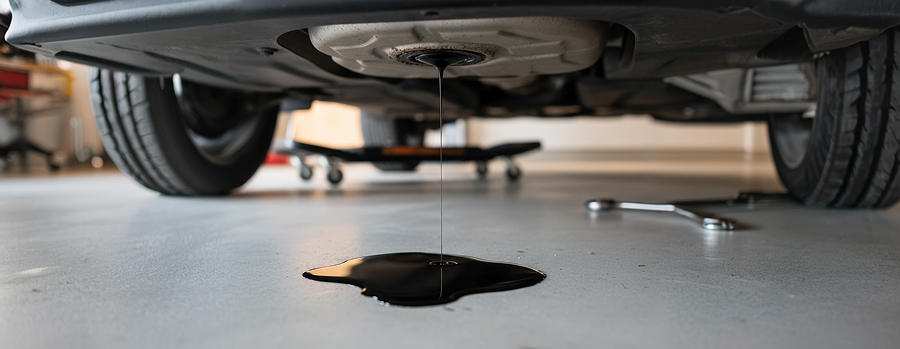
2. An Oil Leak May Be
Lowering the Level
One of the most common reasons for low
engine oil is an external leak.
Oil can escape through worn seals,
gaskets, drain plugs, or other engine components. You may notice:
·
Oil spots underneath your
vehicle
·
A burning oil smell
·
Dark residue around the
engine
·
A consistently dropping
oil level
Even a small leak can gradually lower
your oil level. If left untreated, the problem may worsen and potentially lead
to low-oil operation.
3. Worn Engine
Components Can Increase Oil Consumption
As an engine accumulates mileage,
internal components can wear. Piston rings, valve seals, and other parts may
become less effective at preventing oil from entering the combustion chamber.
This can cause the engine to burn more
oil than usual.
Possible signs include blue or bluish
exhaust smoke, increased oil consumption, or the need to add oil more
frequently. If you're noticing these symptoms, a professional inspection can
help identify the source of the problem.
4. Your Driving Habits
May Affect Oil Consumption
How and where you drive can influence
your engine's oil usage.
Bloomington-area drivers who spend a lot
of time in traffic, make frequent short trips, or regularly drive in demanding
conditions may place additional stress on their engines.
Short trips can prevent the engine from
reaching its ideal operating temperature for long enough, while frequent
stop-and-go driving increases engine operating time without covering much
distance.
Regular oil checks are especially
important if your driving routine includes these conditions.
5. You May Be Waiting
Too Long Between Oil Changes
Engine oil naturally breaks down over
time. As it ages, it becomes less effective at protecting engine components and
managing heat.
Following the recommended maintenance
schedule for your Nissan helps ensure that old oil is replaced before it loses
its protective properties.
If you've missed an oil change or aren't
sure when your Nissan was last serviced, Community Nissan of Bloomington can
help you get back on track with the appropriate maintenance.
What Happens If You Drive With Low Engine Oil?
Driving with low engine oil can increase
friction between critical engine components.
When there isn't enough oil circulating
through the engine, you may experience:
·
Increased engine wear
·
Higher operating
temperatures
·
Reduced engine
performance
·
Unusual engine noises
·
Warning lights
·
Potential engine damage
In severe cases, continued driving with
extremely low oil can result in major engine repairs.
That's why checking your oil level
regularly is one of the simplest ways to protect your Nissan.
Warning Signs Your Nissan May Have Low Engine Oil
Your dipstick isn't the only clue. Watch
for these signs that your oil level may need attention.
Oil Warning Light
An oil-related warning light should never
be ignored. Depending on the warning, your vehicle may be alerting you to low
oil pressure or another lubrication issue.
If the light comes on while driving,
safely stop the vehicle and check the situation as soon as possible.
Unusual Engine Noise
Oil creates a protective barrier between
moving engine components. When oil levels are too low, increased friction may
cause ticking, knocking, or other unusual sounds.
Burning Oil Smell
A burning oil smell can occur when
leaking oil reaches hot engine components.
Visible Oil Leaks
Dark puddles or spots beneath your Nissan
may indicate that oil is leaking from the engine.
Frequent Need to Add Oil
If you find yourself topping off the oil
between scheduled services, your vehicle may be consuming or losing more oil
than expected.
How Often Should You Check Your Engine Oil?
Checking your oil regularly is a smart
habit, especially before a long road trip or if you notice any changes in your
vehicle's performance.
When checking your oil:
1.
Park on level ground.
2.
Turn off the engine and
allow it to sit for a few minutes.
3.
Remove the dipstick and
wipe it clean.
4.
Reinsert it fully and
remove it again.
5.
Check whether the oil
level falls within the recommended range.
If you're unsure how to check your
Nissan's oil level or notice that the level keeps dropping, the service team at
Community Nissan of Bloomington can inspect your vehicle.
Can an Oil Change Fix Low Engine Oil?
An oil change can restore your engine to
the correct oil level and provide fresh lubrication, but it may not solve the
underlying reason the oil became low.
For example, if your Nissan has an oil
leak or is consuming excessive oil, simply adding new oil won't eliminate the
source of the problem.
A professional inspection can help
determine whether your low oil level is related to normal consumption, a leak,
worn components, or another issue.
Protect Your Nissan with Regular Oil Service in Bloomington
Your engine depends on clean oil at the
proper level to perform reliably. Regular oil changes and inspections can help
identify leaks, monitor oil consumption, and protect critical engine components
over time.
If you've noticed your Nissan's oil level
dropping, don't wait until a warning light appears.
Schedule your next oil change or engine inspection at Community Nissan of Bloomington. Our service team can help determine why your oil level is low and recommend the appropriate maintenance to keep your Nissan running smoothly.