
Common Exhaust Problems: 6 Signs Your Nissan May Need Service
Your Nissan’s exhaust system may not get much attention during your daily drive, but it plays an important role in how your vehicle runs. From the engine to the tailpipe, the exhaust system helps direct combustion gases away from the cabin, reduce noise, and control emissions.
Most of
the time, it does its job without making itself known.

But an
exhaust problem can be difficult to ignore. A sudden change in sound, an
unusual smell, or a noticeable drop in performance can all be signs that
something underneath your Nissan needs attention.
Here are
six common signs that your Nissan’s exhaust system may need service.
1. Your Nissan Sounds Louder Than Usual
A louder
exhaust is one of the easiest signs to notice. If your Nissan suddenly sounds
deeper, harsher, or more aggressive than it normally does, an exhaust leak
could be the reason.
A
damaged muffler, cracked exhaust pipe, loose connection, or failed gasket can
allow exhaust gases to escape before they reach the tailpipe. Depending on
where the problem occurs, you may hear a hissing, popping, roaring, or rumbling
sound.
A change
in exhaust noise does not necessarily mean the muffler is the problem. Other
components throughout the system can create similar symptoms, so a proper
inspection can help pinpoint the source.
2. You Hear Rattling or Ticking Sounds
Not
every exhaust problem produces a loud roar. Sometimes, it starts with a strange
noise underneath the vehicle.
A
metallic rattle may indicate a loose heat shield, exhaust component, or
mounting hardware. A ticking or tapping sound, particularly when the engine is
cold or under acceleration, may also point to an exhaust leak.
Pay
attention to when the sound occurs. If it becomes more noticeable when you
accelerate, drive over bumps, or start the engine, let a technician know. Those
details can help narrow down the source.
3. You Notice an Unusual Exhaust Smell
Your
Nissan’s exhaust gases should be directed safely out of the vehicle. If you
begin noticing unusual exhaust odors inside or around the cabin, do not ignore
them.
A leak
in the exhaust system can allow gases to escape in areas where they should not.
Certain exhaust gases can be hazardous, particularly if they enter the
passenger compartment.
If you
smell exhaust while driving, especially inside the cabin, have your Nissan
inspected as soon as possible. If the odor is strong or persistent, avoid
continuing to drive the vehicle until it can be checked.
4. Your Nissan Is Losing Performance
Exhaust
problems can sometimes affect the way your Nissan drives.
If your
vehicle feels sluggish when accelerating, struggles to build speed, or does not
respond as it normally does, an exhaust restriction or other exhaust-related
issue could be contributing to the problem.
The
exhaust system works as part of a larger network of engine and emissions
components. Problems with components such as the catalytic converter, oxygen
sensors, or exhaust passages can sometimes affect engine operation and
performance.
Because
similar symptoms can come from fuel, ignition, or engine problems, diagnostics
are important before assuming the exhaust system is responsible.
5. Your Check Engine Light Comes On
The
check engine light can be triggered by a wide range of issues, including
problems involving the exhaust and emissions systems.
Your
Nissan uses sensors to monitor factors such as oxygen levels in the exhaust. If
the vehicle detects readings outside the expected range, it may illuminate the
check engine light.
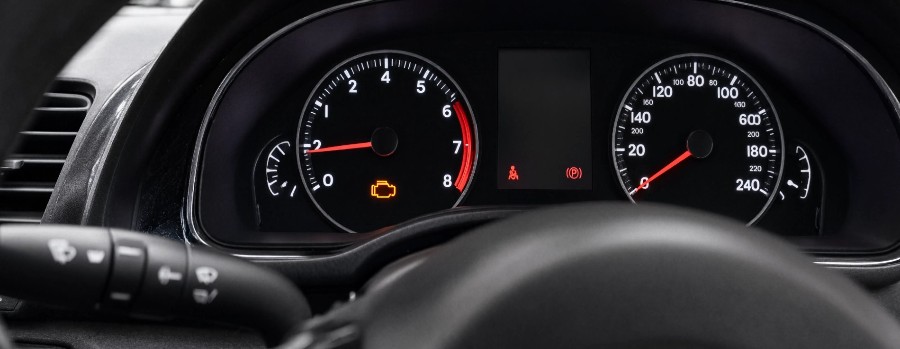
A check
engine light does not automatically mean you have an exhaust problem. However,
if it appears alongside unusual smells, reduced performance, poor fuel economy,
or changes in exhaust sound, it is worth having the vehicle diagnosed.
Reading
the diagnostic trouble codes is only the first step. A technician should
determine what caused the code before replacing any parts.
6. Your Fuel Economy Has Dropped
If you
are making more trips to the gas station than usual, your exhaust system may be
one of several areas worth checking.
Certain
exhaust and emissions problems can affect how efficiently the engine operates.
A failing oxygen sensor, restricted catalytic converter, or related issue may
contribute to changes in fuel economy.
Of
course, declining MPG can have many other causes, including underinflated
tires, driving habits, weather, or engine problems. That is why a noticeable
and unexplained change in fuel economy should be evaluated alongside any other
symptoms you have noticed.
What Can Cause Exhaust Problems?
Exhaust
issues can develop for several reasons. Components underneath the vehicle are
exposed to heat, moisture, road debris, and everyday wear.
Common
causes include:
|
Exhaust Problem
|
Possible Cause
|
|
Loud or
roaring exhaust
|
Exhaust leak or damaged
muffler
|
|
Metallic
rattling
|
Loose heat shield or
mounting hardware
|
|
Exhaust odor
|
Leak or damaged exhaust
component
|
|
Reduced
performance
|
Restriction or
emissions-system issue
|
|
Check engine
light
|
Sensor or
emissions-related fault
|
|
Decreased
fuel economy
|
Sensor, catalytic
converter, or engine-related issue
|
Because
multiple problems can produce similar symptoms, identifying the exact cause is
important before repairs are recommended.
Get Your Nissan’s Exhaust System Checked
Your
exhaust system may stay out of sight, but it should not stay out of mind.
Changes in sound, unusual smells, rattling, reduced performance, warning
lights, or unexplained fuel-economy changes can all be reasons to have your
Nissan inspected.
Catching
an exhaust problem early may help prevent a smaller issue from developing into
a more expensive repair.
If your Nissan is showing signs of an exhaust problem, Community Nissan of Bloomington can help diagnose the issue and determine what service your vehicle needs.